Wisdom Teeth Removal Oxnard CA for Teens and Young Adults
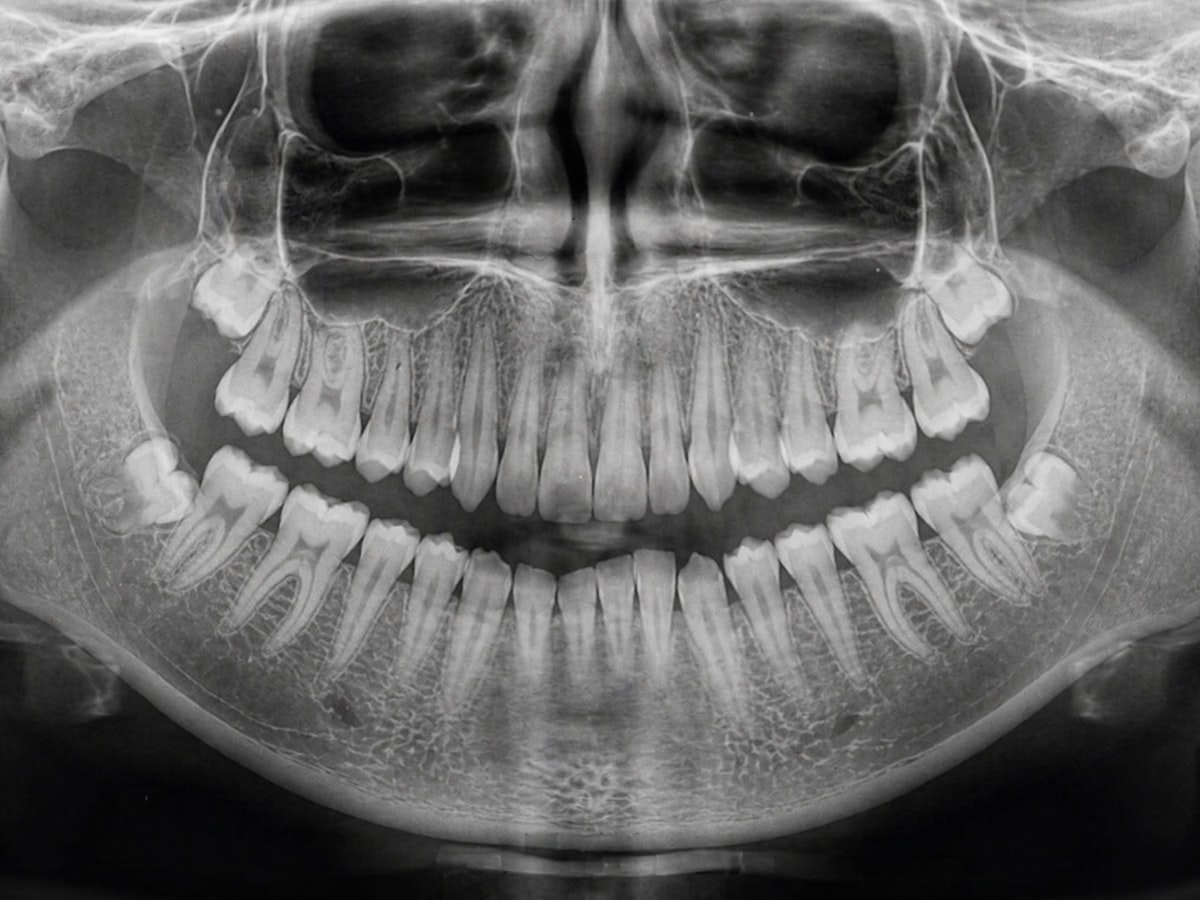
For many families, wisdom teeth become a topic sometime between the later years of high school and the early years of college. A teen goes in for a routine dental visit, the panoramic X-ray goes up on the screen, and suddenly everyone is talking about third molars, jaw space, impaction, swelling, and timing. It can feel abrupt, especially when the patient has little or no pain.
That is one reason the conversation around wisdom teeth deserves a calm, practical approach. In Oxnard, where many teens and young adults balance school, sports, part-time work, and family responsibilities, planning care well matters almost as much as the procedure itself. Wisdom Teeth Removal Oxnard CA is rarely just about taking out four teeth. It is about judgment, timing, recovery, and making sure a young person can heal with as little disruption as possible.
The phrase “wisdom teeth” makes the process sound routine, and often it is, but no two cases are identical. Some teeth erupt normally and never need removal. Others stay trapped under the gums, tilt forward into the second molars, or sit close to important structures such as the lower nerve or the sinus space in the upper jaw. The real value of a thorough evaluation is not to push every patient toward surgery. It is to decide whether removal is appropriate, when it should happen, and how to reduce risk.
Why wisdom teeth often become an issue in the teen and young adult years
Wisdom teeth are the last permanent molars to develop, usually appearing in the late teens or early twenties. By that point, the rest of the mouth has already claimed its space. In some patients, there is enough room for these molars to erupt and function. In many others, there is not.
When space is limited, the wisdom teeth may come in only partway, remain fully impacted under bone and gum tissue, or grow at an angle that creates pressure against the neighboring molar. That pressure does not always cause immediate pain. In fact, some of the trickiest cases are the quiet ones. A patient feels fine, but the X-ray tells a different story, showing a tooth that is likely to create trouble later.
This age window matters because healing tends to be more straightforward when roots are not yet fully formed and the surrounding bone is somewhat more forgiving. That does not mean older adults cannot have wisdom teeth removed successfully. They can, and they do. Still, when a dentist or oral surgeon recommends treatment for a healthy 17 to 22 year old, part of that recommendation often reflects the balance between current findings and future risk.
Parents sometimes ask a fair question: if the teeth are not hurting, why act now? The answer depends on what the examination shows. Recurrent gum inflammation around partially erupted wisdom teeth is a common reason. So is decay, either on the wisdom tooth itself or on the back of the second molar where brushing and flossing become difficult. In other cases, the concern is structural. A tooth angled into the one in front of it may slowly undermine that healthier tooth, which is usually far more valuable long term.
What a proper evaluation should include
A quick glance is not enough. Good decision-making starts with a clinical exam, a review of symptoms, and imaging that shows tooth position clearly. In many offices, that means a panoramic X-ray. For selected cases, especially when lower wisdom teeth appear close to the inferior alveolar nerve or upper teeth seem near the sinus, a three-dimensional scan may be discussed to refine the plan.
The evaluation should answer practical questions. Are the teeth fully erupted, partially erupted, or impacted? Are they upright, tilted, or horizontal? Is there evidence of infection, decay, cyst formation, gum problems, or damage to adjacent teeth? Is the patient likely to keep the area clean if the teeth are left in place? Does the patient have orthodontic history that changes the discussion? A teen who has spent years and thousands of dollars on orthodontic treatment naturally wants reassurance about how all these decisions fit together.
A thoughtful provider also looks beyond the X-ray. Athletic schedules, exams, college move-in dates, and travel matter. I have seen families choose a Friday procedure without realizing the patient had a major tournament by Tuesday. Recovery is usually manageable, but planning should be realistic. A few days of swelling, soreness, fatigue, and dietary limitation can be expected, even in uncomplicated cases.
Signs the teeth may need removal
Not every wisdom tooth needs to come out, but certain patterns consistently point toward removal being the better option. The most common reasons include:
- Repeated pain, swelling, or infection around partially erupted teeth.
- Cavities on the wisdom teeth or damage beginning on the second molars.
- Impacted teeth with poor positioning and little chance of healthy eruption.
- Difficulty cleaning the area well enough to prevent chronic gum problems.
- Imaging findings that suggest future complications, even if symptoms are mild now.
This is where clinical judgment matters. A fully erupted upper wisdom tooth that can be brushed easily and has an opposing tooth to bite against is a different situation from a lower wisdom tooth trapped under the gum at an angle. It is also possible for one or two wisdom teeth to be removed while others are monitored. The all-or-none mindset does not fit every patient.
Timing matters more than many people realize
Families often ask for the “best age” for wisdom teeth removal. There is no single perfect age, but there is a useful principle: treat when the risk of keeping the tooth is beginning to outweigh the cost and risk of removal, and ideally do so before the situation becomes more complicated.
For many teens, that means late high school. For many young adults, it falls during college breaks or a quieter stretch at work. Summer is popular, but so are winter breaks and early spring gaps. The right time is less about the calendar month and more about anatomy, symptoms, and recovery logistics.
Earlier removal is not automatically better. If a tooth is high in the jaw, developing normally, and causing no issues, watchful waiting can be reasonable. On the other hand, waiting too long can allow roots to mature fully, the bone to become denser, and adjacent damage to progress. There is a middle ground, and that is what a good consultation should help identify.
In the context of Wisdom Teeth Removal Oxnard CA, timing also intersects with transportation and support at home. Teens and young adults who are active and independent still need an adult driver for sedation cases and often benefit from help with meals, medications, and recovery for the first day or two. That support should be planned, not improvised.
What the procedure usually involves
Wisdom tooth removal can range from straightforward extraction of erupted teeth to surgical removal of impacted teeth beneath the gums or bone. The difference matters because it shapes the procedure time, the type of anesthesia or sedation offered, and the expected recovery.
For erupted teeth, removal may be relatively simple. For impacted teeth, the surgeon may need to open the gum tissue, remove a small amount of bone, and section the tooth into smaller pieces for a gentler removal. That sounds intimidating when phrased clinically, but it is standard surgical technique and often the least traumatic way to remove a tooth that cannot come out in one piece.
Sedation options vary by office and patient needs. Some young adults do well with local anesthesia alone, especially if the teeth are erupted and anxiety is low. Many teens prefer some level of sedation. The best choice depends on medical history, complexity, and comfort level. Good offices explain what to expect before, during, and after, including fasting instructions when sedation is planned.
A point that deserves emphasis: families should not compare one patient’s experience too closely with another’s. One person may have four easy extractions and eat soft pasta the next day. Another may have deeply impacted lower wisdom teeth and need a slower return to normal activity. Recovery stories are useful only when they are put in context.
Recovery, as it happens in real life
The first 72 hours are usually the most noticeable. Swelling often peaks around day two or three, not the evening of surgery, which surprises many patients. Soreness can usually be managed with a plan that may include prescribed medication, over-the-counter pain relievers if appropriate, ice in the early period, rest, and plenty of fluids.
Bleeding is generally light and controlled with gauze. Oozing can come and go a bit on the first day. What causes confusion is that saliva magnifies the appearance of blood, so a little can look dramatic. That said, persistent heavy bleeding warrants a call to the office.
Eating after wisdom tooth removal becomes easier when expectations are sensible. A young athlete who assumes they can stop for fries on the way home is usually disappointed. Soft, cooler, easy-to-swallow foods work best at first, then the diet expands as comfort allows. Hydration matters, but straws are usually discouraged early because the suction can disrupt the forming clot.
These habits make recovery smoother for most teens and young adults:
- Keep your head elevated when resting during the first day.
- Use ice packs in short intervals early on to limit swelling.
- Take medications exactly as directed, before pain gets ahead of you.
- Stick to soft foods and avoid crunchy bits that can lodge in the sockets.
- Pause intense exercise until the surgeon says it is safe.
The temptation to “bounce back” too quickly is strongest in healthy young patients. I see it every year around sports seasons and school events. Someone feels decent on day two, goes back to practice, lifts hard, or spends hours in the sun, then calls with renewed throbbing or bleeding. Recovery is not just about toughness. It is about protecting the surgical site while the body does the quiet work of healing.
Questions parents and young adults often ask
A common concern is whether wisdom teeth crowd the front teeth. This issue is debated more carefully now than it once was. Wisdom teeth are not the sole cause of lower front crowding, and they should not be removed for that reason alone without other findings. Teeth shift over time for multiple reasons, including growth patterns and natural changes in the dental arch. If crowding is the only concern, that discussion should be honest and nuanced.
Another question is whether all four teeth should be removed at once. Often, yes, especially when all four are problematic and the patient will be having sedation. One recovery is usually easier to manage than splitting treatment into multiple procedures. Still, there are cases where staged treatment makes sense, such as when only the lowers are causing problems or when the uppers are fully erupted and healthy.
Many college-age patients want to know how long they will be “out of commission.” For desk work or online classes, some are comfortable within a couple of days. For in-person school, retail shifts, or light activity, a few days may be enough. For heavy exercise, contact sports, or jobs with physical strain, the timeline is often longer. That is why generalized advice is less useful than individualized planning.
Dry socket comes up often because friends talk about it. It is a real risk, more common in lower extraction sites, and usually associated with loss or breakdown of the protective blood clot. The pain tends to increase a few days after surgery rather than steadily improve. It is unpleasant but treatable, and the office should give clear instructions on prevention and what symptoms merit a call.
Choosing the right provider in Oxnard
When families search for Wisdom Teeth Removal Oxnard CA, convenience is usually the first filter. It should not be the only one. This is a common procedure, but common does not mean casual. The quality of the evaluation, the clarity of instructions, and the office’s responsiveness after surgery all affect the experience.
Look for a practice that explains why removal is recommended, not just that it is recommended. The patient and parent should understand the anatomy, the likely benefits, the realistic risks, and the alternatives if monitoring is an option. If the consultation feels rushed or overly scripted, it is fair to ask more questions.
Experience matters, but so does communication. A skilled surgeon who does not explain recovery well leaves families anxious and unprepared. The opposite is also true. A warm office cannot make up for a weak clinical plan. The best experiences usually come from providers who combine technical judgment with practical, plainspoken guidance.
It also helps when the office is organized around the realities of younger patients. That means providing written and verbal instructions, reviewing medications carefully, discussing school and sports timing, and making it easy to reach someone if swelling, pain, or questions arise after the procedure. Those details may sound small, but they shape whether the process feels smooth or stressful.
When monitoring is reasonable
Not every consultation should end with a surgery date. There are patients whose wisdom teeth are healthy, accessible for cleaning, and unlikely to create near-term problems. In those cases, monitoring with periodic https://www.brownbook.net/business/40954834/oxnard-dentistry exams and imaging may be the better course.
This is especially true when a tooth is fully erupted, functional, and easy to maintain, or when removal would carry unusual complexity that outweighs the current benefit. Monitoring is not “doing nothing.” It means observing the area intentionally, watching for gum changes, decay, shifting position, or symptoms that alter the balance.
The key is follow-through. A patient who chooses to monitor wisdom teeth needs regular dental care and a plan for reassessment. If follow-up is likely to be inconsistent, that affects the decision. A college student living away from home, changing insurance, and skipping routine visits may be a different candidate for watchful waiting than a teen with reliable preventive care.
Practical preparation for a smoother week
The procedure itself may last less than an hour in some cases, but the recovery occupies real space in the week. That is why preparation should focus on the days after surgery, not just the appointment day.
Have soft foods ready before the procedure, not after. Make sure prescribed medications, if any, are picked up in advance. Confirm who will drive and stay with the patient. Build in a light schedule for at least a couple of days. Even highly independent young adults appreciate not having to make decisions about errands, meals, or obligations when they are groggy and swollen.
There is also a mental piece to preparation. Teens often do better when they know the broad outline of what will happen but are not overloaded with every surgical detail. College-age patients usually want more direct information, especially about sedation, downtime, and cost. Tailoring the conversation to the patient’s maturity level makes a noticeable difference in anxiety.
The bigger goal is protecting long-term oral health
It is easy to think of wisdom teeth removal as a one-time event to get through and forget. In reality, the goal is long-term protection of the rest of the mouth. The second molars, the gums behind them, the bone support, and the patient’s ability to keep the area healthy are what really drive the decision.
That perspective helps families sort through mixed messages. A friend may say their wisdom teeth never caused trouble. Another may tell a story about emergency swelling during finals week. Both stories can be true. Neither replaces a careful exam of the actual patient in front of you.
For teens and young adults in Ventura County, including those looking specifically for Wisdom Teeth Removal Oxnard CA, the best path is usually the least dramatic one: get an informed evaluation, ask pointed questions, choose timing intelligently, and respect the recovery process. When that happens, most patients move through the experience with fewer surprises and a much better sense of control.
A wisdom tooth consultation should leave you with clarity, not pressure. You should understand whether the teeth are likely to serve you well, threaten the neighboring molars, or become a recurring source of infection and frustration. Once that picture is clear, the decision tends to become much simpler. The goal is not to remove teeth just because of age. The goal is to make a sound clinical decision at the right time for that individual patient.
Oxnard Dentistry
1730 E Gonzales Rd
Oxnard, CA 93036, United States
Phone: +1 805-307-8731
FAQ About Wisdom Teeth Removal Oxnard CA
How much does it cost to get wisdom teeth removed in California?
Fees depend on tooth position, the number of extractions, imaging and anesthesia. Oxnard Dentistry can provide an individual estimate after examining your teeth. Ask for an itemized plan and confirm insurance benefits before scheduling.
Will insurance cover wisdom teeth removal?
Coverage and out-of-pocket costs vary by policy and the treatment required. Ask the dental office and your insurer to verify benefits, annual limits and any authorization requirements. A benefit estimate does not guarantee payment.
Is 30 too old to have wisdom teeth removed?
Age alone does not determine whether extraction is appropriate. A dentist evaluates symptoms, tooth position, oral health and medical history. Healthy, functional wisdom teeth may be monitored; teeth causing disease or other problems may need treatment.
Ends · JOHNNYUVTS890